
From Beaches to Rainforests. Discover Brazil.

Discover the 5 Regions of Brazil


Which region of Brazil should you visit?


Brazil is a continental-sized country divided into five distinct regions, each with its own character, climate, and travel experiences. The real question is not whether to visit Brazil, but which Brazil you want to experience first.
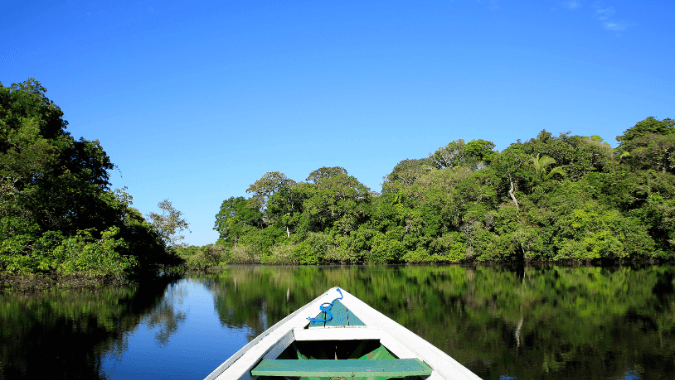

Amazon Rainforest Tour Brazil 4 Days from Manaus


North: The Amazon you need to experience at least once


Imagine cruising along the most powerful river on Earth, falling asleep to the sounds of the rainforest, and spotting pink river dolphins in their natural habitat. Northern Brazil is the Amazon at its purest.

Why go: It is the largest tropical rainforest in the world — and there is no better time than now.


Top destinations


  • Manaus: Your main gateway to the Amazon. The Amazon Theatre is a striking Art Nouveau landmark in the middle of the jungle, and the Meeting of the Waters — where two rivers flow side by side without mixing — is a natural phenomenon you have to see to believe.
  • Jungle lodges: Spend 3–4 nights deep in the rainforest. Night safaris, piranha fishing, and encounters with indigenous communities are part of the experience.

Best time to visit: June to November (less rain, better wildlife spotting)


Colorful colonial streets of Pelourinho on the Salvador historical city tour


Northeast: Year-round perfect beach weather


If the word “Brazil” instantly brings to mind white-sand beaches, turquoise water, and palm trees, you are thinking of the Northeast. With over 3,000 kilometers of coastline, sunshine is almost guaranteed all year.

Why go: This is postcard Brazil. Pristine beaches, vibrant Afro-Brazilian culture, and some of the best regional cuisine in the country.


Must-see destinations


Salvador da Bahia – The Afro-Brazilian soul

  • Pelourinho, Brazil’s most photogenic colonial district
  • Capoeira performances in public squares at sunset
  • Acarajé, the iconic Bahian street food

Jericoacoara – Hippie-chic paradise

  • Sunset at Pedra Furada
  • Kitesurfing on one of the world’s top beaches
  • No cars — just buggies and bare feet

Fernando de Noronha – The Brazilian Maldives

  • Protected archipelago with daily visitor limits
  • Snorkeling with sea turtles
  • Underwater visibility of up to 50 meters

Other highlights: Fortaleza, Natal, Recife, Porto de Galinhas, Lençóis Maranhenses.

Best time to visit: September to March

Key fact: Average temperatures of 26–28°C (79–82°F) year-round.
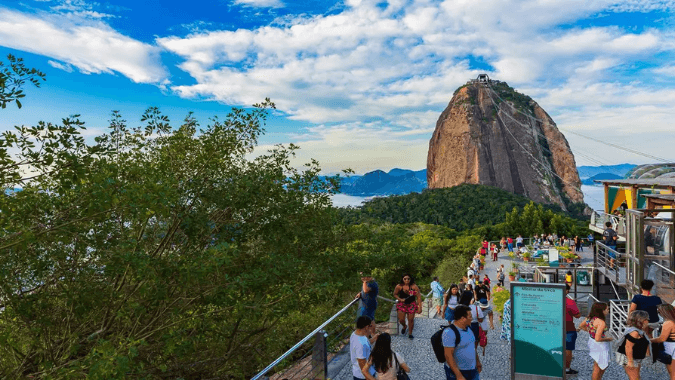

Panoramic sunset view from Sugarloaf Mountain, a must-do experience in Rio de Janeiro.


Southeast: Iconic cities and hidden colonial beaches


Southeast Brazil is modern and dynamic. Rio de Janeiro captivates, São Paulo surprises, and Paraty wins you over. Skyscrapers, urban beaches, Atlantic rainforest, and colonial towns all coexist in one region.

Why go: Experience Brazil’s energy at full intensity, then escape to islands and beaches just a few hours away.


Top destinations


Rio de Janeiro – The Marvelous City

  • Christ the Redeemer at sunrise
  • Sugarloaf Mountain at sunset
  • Copacabana and Ipanema beaches
  • Lapa at night, with samba until dawn

São Paulo – Cultural metropolis

  • Over 20,000 restaurants
  • World-class museums
  • Endless nightlife

Paraty – Perfectly preserved colonial town

  • 17th-century historic center
  • Access to 65 tropical islands
  • Traditional cachaça distilleries

Ilha Grande – Caribbean vibes

  • No cars allowed
  • Lopes Mendes, one of Brazil’s most famous beaches

Best time to visit: December to March
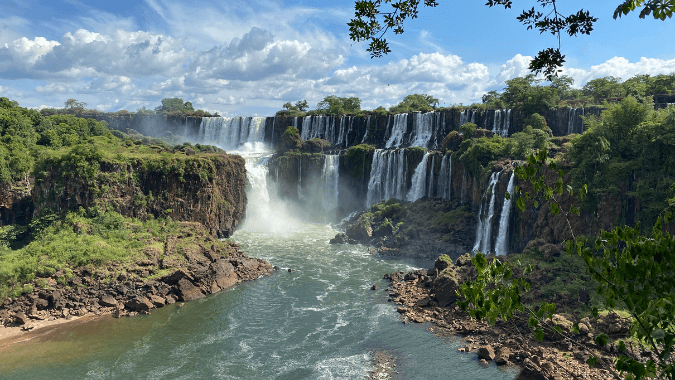

Tour one of the most famous natural wonders of the world, the Iguazu Falls Argentina and Brazil side!


South: European heritage and Iguazu Falls


Southern Brazil surprises most travelers. Cooler winters, German and Italian influences, vineyards, and the breathtaking Iguazu Falls.

Why go: To experience a completely different side of Brazil and visit one of the New Seven Natural Wonders of the World.


Key destinations


Foz do Iguaçu – Iguazu Falls

  • Panoramic views from the Brazilian side
  • Up-close experiences from the Argentine side
  • Triple border with Argentina and Paraguay
  • 275 waterfalls in total

Florianópolis – Island of 42 beaches

  • Surfing at Joaquina Beach
  • Nightlife in Jurerê Internacional
  • Nature at Lagoinha do Leste

Pantanal North safari tour from Cuiabá


Central-West: Safaris, jaguars, and crystal-clear rivers


Brazil’s green heart. Premium nature travel at its best: the Pantanal, Bonito, and futuristic Brasília.

Why go: Wildlife and nature experiences found nowhere else on the planet.


Unique destinations


Pantanal – Brazil’s safari region

  • The best place in the world to spot jaguars in the wild
  • Up to an 85% chance of jaguar sightings in peak season
  • Caimans and over 650 bird species

Bonito – A natural aquarium

  • Snorkeling in crystal-clear rivers
  • Cave diving and underground lakes
  • Rappelling into Abismo Anhumas

Best time to visit: April to October


How to choose the right region for your trip


  • Wild nature and adventure: North or Central-West
  • Paradise beaches: Northeast
  • Cities, culture, nightlife: Southeast
  • Family travel: South or Northeast
  • Wildlife and ecotourism: Central-West


How many days do you really need?


  • Minimum recommended: 5–7 days per region
  • Ideal: 10–12 days combining regions

Travel combinations that work well


  • Rio + Iguazu Falls + Amazon – 14 days
  • Salvador + Jericoacoara – 10 days
  • Pantanal + Bonito + Iguazu Falls – 12 days


Frequently asked questions


Is it safe to travel between regions in Brazil?

Yes. Brazil welcomes millions of travelers every year, and domestic flights connect regions efficiently. In tourist areas, basic common sense — using Uber, avoiding valuables, and following local advice — is usually enough for a smooth trip.


Do I need vaccines to travel to Brazil?

It depends on the region. For the North (Amazon) and Central-West (Pantanal, Bonito), the yellow fever vaccine is recommended and sometimes required (at least 10 days before travel).

For the Northeast, Southeast, and South, no special vaccines are required.


How much does it cost to travel in Brazil per day?

Costs vary by region and travel style. A mid-range budget averages US$80–150 per person per day. Premium experiences and jungle lodges can exceed US$250 per day.


Do I need to speak Portuguese?

Not necessarily. Basic English is spoken in tourist areas, and Brazilians are generally very helpful. Learning a few Portuguese words can greatly enhance your experience.


Which region of Brazil is best for a first-time visit?

There is no single right answer. The Northeast stands out for beaches, the Southeast for iconic cities, the North for raw nature, the South for diversity, and the Central-West for wildlife.

The best region is the one that fits your time, interests, and travel style.


Why book with Brasil4u


  • True local expertise
  • Flexible cancellation policies
  • 24/7 WhatsApp support
  • Best price guarantee

We don’t sell generic tours. We design trips that stay with you for life.

Regions of Brazil

Copyright © 2013-2017 Magento, Inc. All rights reserved.
Open Chat
Hello, How May I Help You?